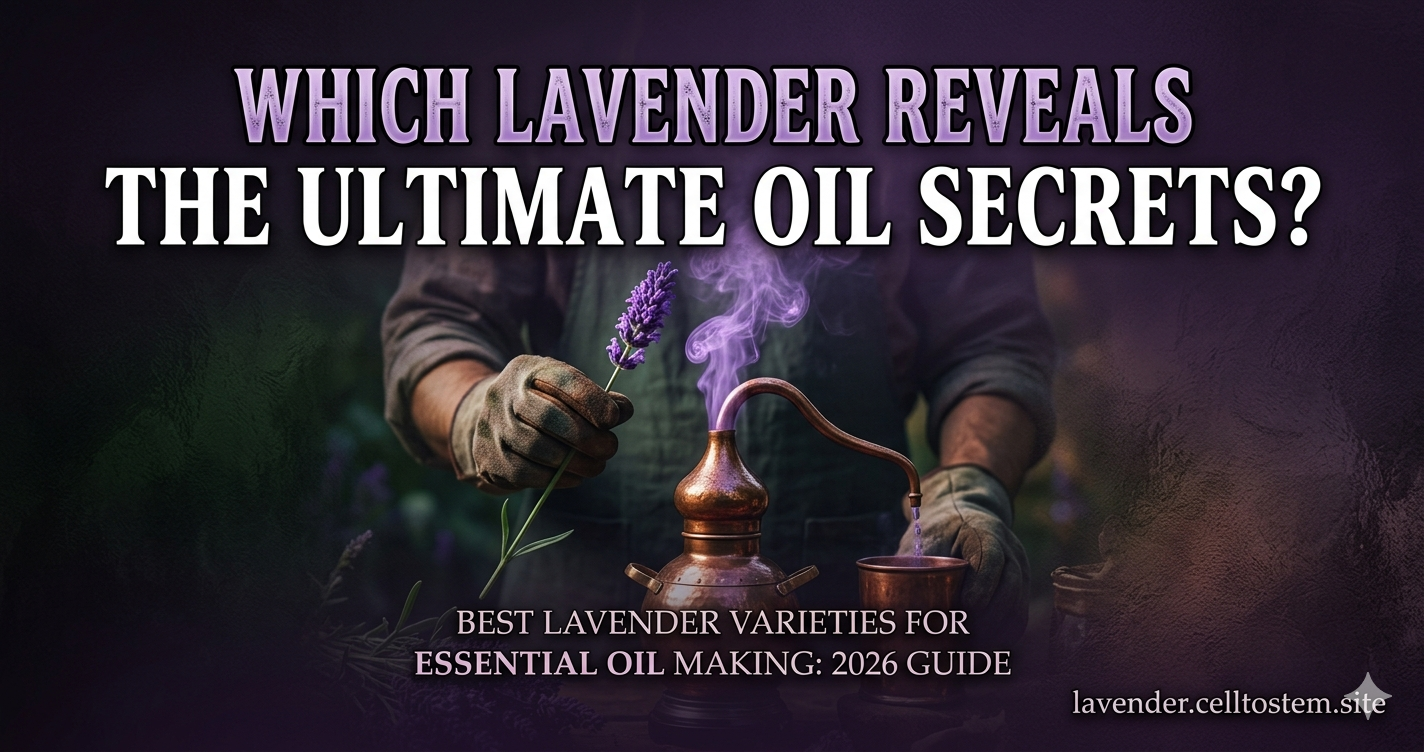
The Secret to Perfect Lavender Oil: Choosing the Right Variety
If you have ever walked through a field of lavender, you know that the scent can vary wildly. Some smell like sweet honey, while others have a sharp, medicinal kick. For anyone interested in essential oil distillation process, the variety of lavender you plant is the single most important decision you will make.
Not all lavender is created equal. Some are stars in the kitchen, while others are powerhouses in the distillery. In this guide, we will break down the absolute best varieties for oil production, whether you are a beginner with a backyard plot or a commercial grower looking for the highest yields.
1. Lavandula Angustifolia: The “Gold Standard” for Aromatherapy
Often called “True Lavender” or English Lavender, Lavandula angustifolia is the most prized variety for best lavender for therapeutic grade essential oil. It contains low levels of camphor, giving it that classic, sweet, and floral scent we all love.
- Munstead: This is the best lavender for essential oil making beginners. It is tough, compact, and very reliable. It handles colder winters well and produces a beautiful, calming oil.
- Hidcote: Known for its deep purple color, Hidcote offers a rich, fruity aroma. It is a top choice for best lavender for aromatherapy oil production because the oil is incredibly soothing.
- Maillette: If you want the professional “French” scent, this is it. It is the standard for high-end perfumes and lavender angustifolia essential oil.
2. Lavandin (L. x intermedia): The High-Yield Powerhouse
If your goal is to fill as many bottles as possible, you want a Lavandin. These are hybrids—a cross between English lavender and Spike lavender. They grow much larger and produce significantly more oil.
- Grosso: This is the undisputed king of best lavender varieties for high oil yield. It is the primary variety used in lavandin grosso oil production worldwide. While the scent is more “camphor-heavy” (sharper) than True Lavender, the volume of oil it produces is massive.
- Phenomenal: As the name suggests, this plant is a beast. It is the best lavender for cold climate oil production and stands up to heat and humidity better than almost any other variety. It is perfect for best lavender for commercial oil production.
3. Specialty Picks for Your Specific Needs
Not everyone has a massive farm. Sometimes, you need a plant that fits your unique lifestyle or garden size.
- Best for Small Spaces: If you only have a patio, look for Thumbelina Leigh. It is the best lavender for container gardening oil making. It stays small but still packs enough punch for a home-distilled hydrosol from lavender distillation.
- Best for Tiny Gardens: Blue Cushion is another dwarf variety that works perfectly as the best lavender for small garden oil extraction.
- Best for Organic Growing: While any lavender can be grown without chemicals, Vera (an heirloom variety) is exceptionally hardy and pest-resistant, making it the best lavender for organic essential oil making.
4. How to Extract the Best Oil: The Distillation Process
To get high-quality oil, most experts use the best lavender for steam distillation oil making. In this process, steam passes through the fresh flowers, breaking open the tiny oil glands. The steam then carries the oil into a cooling tube where it turns back into liquid.
During this process, you get two products: the concentrated essential oil and the hydrosol from lavender distillation (lavender water). Both are useful, but the oil is where the lavender oil therapeutic properties are most concentrated. Remember, lavender plant oil content is highest when the flowers are just starting to open—that is the perfect time to harvest.
5. Growing Tips for Maximum Oil
To ensure your lavender cultivation for oil is successful, remember these three rules:
- Sun: Lavender needs at least 6 to 8 hours of full sun. No sun means no oil.
- Drainage: Lavender hates “wet feet.” Use sandy or gritty soil.
- Pruning: Cut your plants back every year after they bloom. This keeps them from getting “woody” and ensures a bigger harvest next year.
Summary of Best Varieties
| Variety | Best For | Scent Profile |
| Munstead | Beginners / Cold Climates | Sweet & Floral |
| Grosso | High Yield / Commercial | Camphor & Sharp |
| Hidcote | Aromatherapy | Deep & Fruity |
| Phenomenal | Humidity / Tough Climates | Strong & Herbal |
| Thumbelina | Containers / Small Gardens | Classic Lavender |