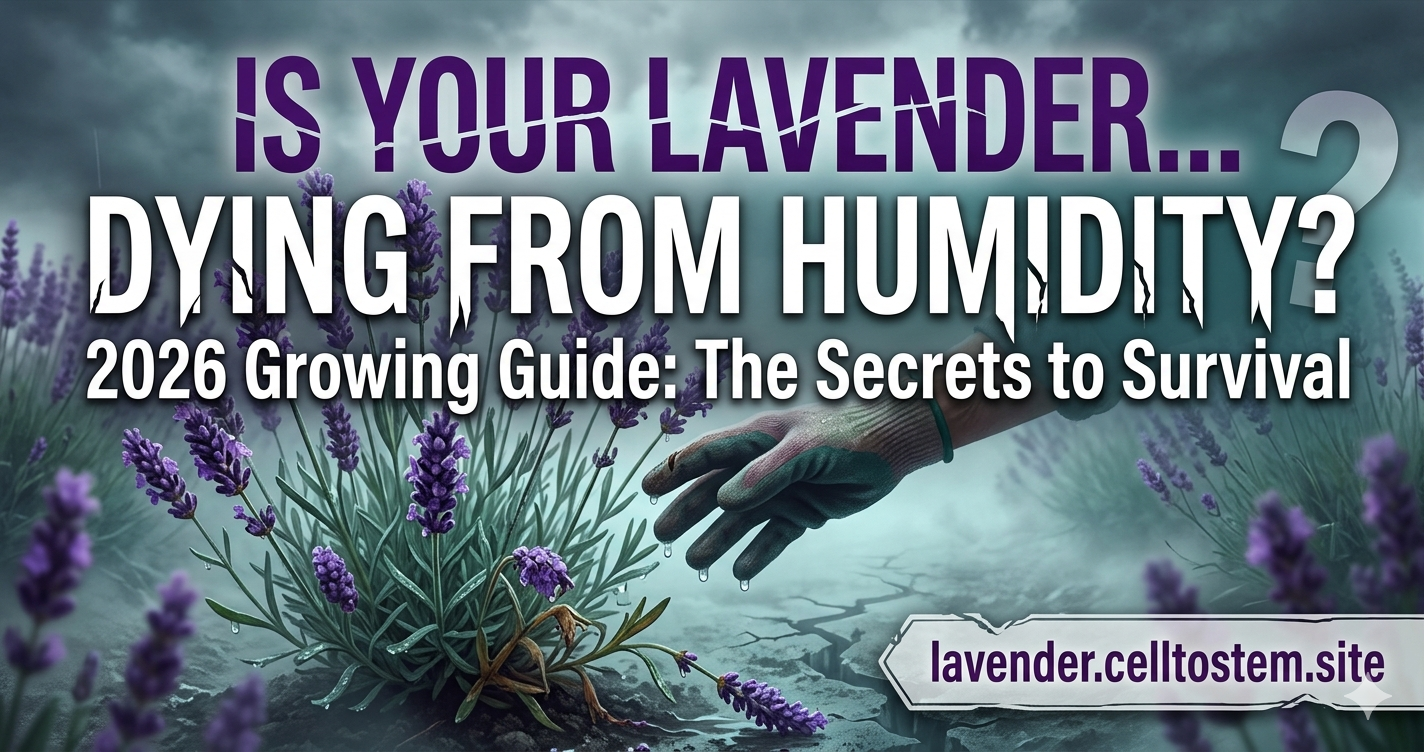
Growing lavender is a dream for many gardeners. We all want those rows of purple flowers and that calming scent. But if you live in a place where the air feels heavy and sticky, you know the struggle. Lavender is native to the dry, rocky Mediterranean. It loves “hot and dry,” not “hot and soup-like.”
In 2026, gardening has changed. With shifting weather patterns, many of us are dealing with more moisture than before. The good news? You can still grow beautiful lavender. You just need to change your strategy. This guide will show you exactly how to master lavender plant care in humid climates so your garden stays fragrant and rot-free.
Why Humidity is Hard for Lavender
To understand lavender gardening in humid weather, you have to think like a plant. Lavender breathes through its leaves. When the air is full of moisture, the plant can’t “exhale” water properly. This leads to lavender plant humidity tolerance issues, where the foliage stays damp, inviting mold and root rot.
In a humid environment, the biggest enemies are fungal diseases and “wet feet” (roots sitting in water). To beat these, we focus on two things: lavender plant air circulation needs and extreme drainage.
Choosing the Right Variety (The Secret Sauce)
The most important step is choosing best lavender varieties for high humidity. If you try to grow a delicate English variety in a swampy climate, you’re fighting a losing battle.
The Best Lavender Plants for Humid Climates:
- Spanish Lavender (Lavandula stoechas): Known for its “bunny ears,” this is one of the best lavender plants for humid climates. It handles moisture better than almost any other type.
- Phenomenal Lavender: This hybrid was literally bred to survive the heat and humidity of the Eastern United States. It is tough, disease-resistant, and keeps its silver color even in the steam.
- Sensational Lavender: A newer relative of Phenomenal, it has larger flowers and even better lavender plant heat and humidity resistance.
- French Lavender (Lavandula dentata): While less cold-hardy, it performs well in consistently warm, moist regions.
By selecting best lavender plants for humid climates, you give yourself a massive head start.
Soil and Drainage: Don’t Use “Good” Soil
In most gardening, we want rich, dark soil. For lavender, that’s a death sentence. Lavender cultivation in moist climates requires “lean” soil.
The best soil for lavender in humid areas is actually quite poor. You want a mix that is sandy or gravelly. If your garden has heavy clay, do not plant lavender directly in the ground. Instead, create a mound or a raised bed.
How to Build the Perfect Drainage:
- Avoid Organic Mulch: Never use wood chips or shredded bark. These hold moisture against the stems.
- Use Stone Mulch: Lavender plant mulching in humid areas should be done with white pebbles, crushed oyster shells, or pea gravel. This reflects heat up into the plant and keeps the base dry.
- The Mix: Aim for a 50/50 mix of native soil and coarse grit or horticultural sand.
Planting and Spacing for Airflow
When you have high humidity, air is your best friend. Lavender plant spacing in humid gardens should be much wider than the tag suggests. If a plant says “space 2 feet apart,” give it 3 feet.
Lavender plant air circulation needs are non-negotiable. You want the wind to be able to blow completely through the foliage. This dries out the leaves after a rainstorm and prevents lavender plant fungal issues like powdery mildew.
Best Time to Plant
The best time to plant lavender in humid zones is usually early spring or early fall. Avoid planting in the middle of a humid summer, as the “transplant shock” combined with the heavy air can kill a young plant before it gets its roots down.
Watering: The “Less is More” Rule
Overwatering is the number one killer of these plants. In a moist climate, the air is already providing some hydration.
Best watering methods for lavender in humid climates:
- Drip, Don’t Spray: Never use a sprinkler. Water on the leaves in a humid climate will almost certainly cause fungus.
- The Finger Test: Stick your finger 3 inches into the soil. If it feels even slightly damp, don’t water.
- Morning Only: If you must water, do it at 6:00 AM so the sun can dry any accidental splashes quickly.
Containers: The Humid Gardener’s Cheat Code
If your backyard feels like a tropical rainforest, pots are your best friend. The best pots for lavender in humid climates are made of unglazed terracotta.
Terracotta is “breathable.” It allows moisture to evaporate through the sides of the pot, which keeps the roots cool and dry. Make sure your pot has a large drainage hole.
Feeding and Maintenance
Lavender doesn’t need much “food.” In fact, the best fertilizer for lavender in humid regions is often no fertilizer at all. Too much nitrogen makes the plant grow soft, floppy leaves that are very easy for fungus to attack.
If you feel you must feed them, use a tiny bit of bone meal or a very low-nitrogen, slow-release organic food once a year in early spring.
Pruning for Health
Best pruning techniques for lavender in humid areas focus on “opening up” the plant. In the spring, remove any dead wood. After the first bloom, do a “thinning prune.” Instead of just shearing the top, remove a few stems from the center of the bush to let the air in. This is one of the best lavender care tips for humidity.
Dealing with Fungal Issues
Even with the best care, lavender plant fungal issues can happen. If you see gray or black spots on the leaves, or if a branch suddenly wilts and turns brown, you have a problem.
Best lavender care products for humid environments:
- Neem Oil: A natural antifungal that can help if caught early.
- Potassium Bicarbonate: A safe spray that changes the pH on the leaf surface, making it hard for mold to grow.
- Copper Fungicide: A stronger option for persistent leaf spot.
Companion Plants
Choosing the right neighbors can help. Lavender plant companion plants for humid climates include other Mediterranean herbs like Rosemary or Sage, which also like dry soil. Avoid planting lavender near “thirsty” plants like hydrangeas or roses, as their watering needs will clash.
Summary Checklist for Success
To keep your garden thriving in 2026, follow these best lavender care tips for humidity:
- Select: Buy “Phenomenal” or “Spanish” varieties.
- Drain: Use gravel and sand, never heavy potting soil.
- Space: Give them plenty of room to “breathe.”
- Mulch: Use stones, not wood.
- Water: Only at the base, and only when the soil is bone-dry.