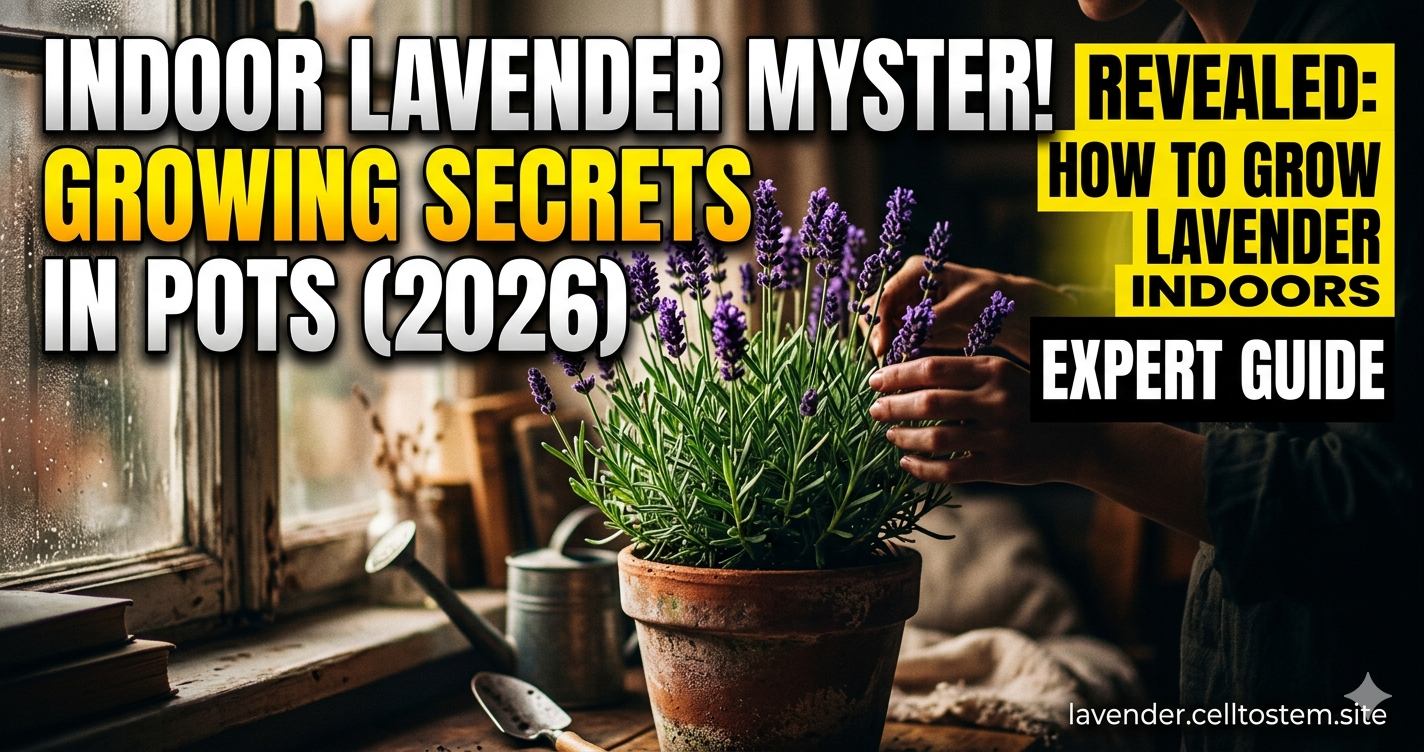
Lavender is one of those plants that instantly makes a home feel like a spa. The scent is calming, the purple blooms are stunning, and having it within arm’s reach is a treat. But if you’ve ever tried growing it inside, you know it can be a bit picky. Unlike some houseplants that thrive on neglect in a dark corner, lavender is a sun-worshiper from the Mediterranean.
In this guide, I’ll share exactly how to keep your lavender happy, healthy, and smelling amazing right on your windowsill. Whether you are a total beginner or a seasoned indoor gardener, these steps will help you master growing lavender inside house in containers.
Choosing the Right Lavender for Your Home
Not all lavender is created equal, especially when it comes to living indoors. If you pick a variety that grows six feet wide in a garden, it’s going to struggle in a pot. For the best results, look for “dwarf” or “compact” varieties.
- Best lavender varieties for indoor pots: The winners are almost always English Lavenders (Lavandula angustifolia). They are compact and have the sweetest scent.
- Best lavender for beginners: ‘Munstead’ and ‘Hidcote’ are the gold standard. They stay small and are much more forgiving of indoor life.
- Best lavender for small indoor spaces: If you are tight on room, try ‘Thumbelina Leigh.’ It is tiny but produces a ton of flowers.
- Best lavender for low light indoor conditions: While no lavender loves the dark, French Lavender (Lavandula dentata) can sometimes tolerate slightly less intense sun than its English cousins, though it still needs a bright spot.
The Perfect Pot and Soil Setup
The biggest mistake people make with lavender cultivation in indoor planters is using the wrong “home” for the roots. Lavender hates “wet feet.” If the roots sit in water, the plant will die quickly.
Best pots for growing lavender indoors:
Always go with terracotta or clay pots. These materials are “breathable,” meaning they allow moisture to evaporate through the walls. This helps keep the soil from staying too soggy. Make sure your pot has at least one large drainage hole at the bottom.
Best soil for lavender in indoor containers:
Standard potting soil holds too much water. For a happy plant, create a mix that is gritty and loose. A blend of 70% high-quality potting soil and 30% horticultural sand or perlite is perfect. This mimics the rocky, dry soil of the Mediterranean.
Lighting: The Secret to Indoor Success
If your lavender is looking “leggy” (tall, thin, and stretching), it is crying for more light. This is the most challenging part of indoor lavender plant care tips.
Best lighting for indoor lavender in pots:
Your plant needs at least 6 to 8 hours of direct sunlight. A south-facing window is usually the best spot. If you don’t have a very sunny window, don’t worry! You can use an LED grow light. Keep the grow light about 6–12 inches above the plant for 12 hours a day to keep it thriving.
Watering and Feeding Your Lavender
When it comes to potted lavender maintenance inside home, less is often more. Lavender is drought-tolerant, meaning it prefers being a little thirsty over being drowned.
- Watering: Wait until the top inch of soil feels completely dry before watering. When you do water, pour it directly onto the soil (not the leaves) until it runs out the bottom.
- Best fertilizer for potted lavender indoors: Lavender doesn’t need much food. In fact, too much fertilizer can kill the scent! Use a balanced, water-soluble fertilizer at half-strength once a month during the spring and summer. Skip the food in the winter when the plant is resting.
Pruning and Maintenance
To keep your lavender houseplant in pots looking like a lush bush rather than a bunch of sticks, you need to prune.
Best pruning techniques for indoor lavender:
In early spring, snip off the top third of the green growth. Avoid cutting into the “woody” part of the stem (the brown, hard part near the base), as it might not grow back from there. Regular pruning encourages the plant to grow more stems and more flowers.
When to Start Your Indoor Garden
Best time to plant lavender in indoor pots:
You can technically start at any time since your home is climate-controlled, but spring is the most natural time. This is when the plant is ready to enter its active growing phase.
Creating an Aromatic Home
Using lavender as indoor decorative plant is about more than just looks. It’s about the experience. Indoor herb gardening with lavender provides you with fresh sprigs for tea, baking, or even just a natural air freshener.
For the best lavender pot placement for indoor growth, keep it in a spot with good air circulation. Avoid putting it right next to a heating vent or a drafty door, as extreme temperature swings can stress the plant.
Summary Checklist for Success
| Feature | Requirement |
| Light | 6-8 hours of direct sun or 12 hours of grow lights |
| Pot | Terracotta with drainage holes |
| Soil | Well-draining, sandy mix |
| Water | Only when the top inch of soil is dry |
| Variety | Compact English Lavender (Munstead/Hidcote) |
Growing container gardening lavender indoors takes a little patience, but the reward of that fresh, floral scent is worth every bit of effort. Follow these steps, and you’ll have a thriving, aromatic companion in your home for years to grow.