lavender plant not flowering?
You planted lavender for those iconic purple spikes and that calming scent, but all you have is a bush of silver-green leaves. It’s frustrating, right? Lavender is usually a hardy plant, but when it refuses to flower, it’s usually sending you a message about its environment.
In this guide, we will break down exactly why your lavender is shy and give you the lavender plant not flowering solutions you need to turn things around. We’ll look at everything from the dirt it sits in to the way you use your shears.
1. The Need for Intense Sunlight
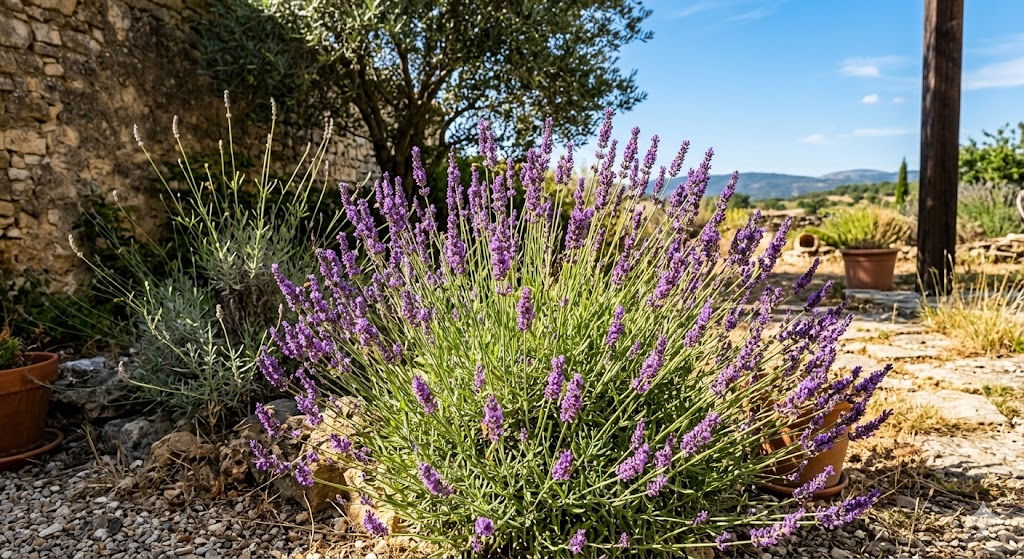
Lavender is a child of the Mediterranean. It craves heat and intense light. If your plant is in a spot that gets even a little bit of shade, it might grow tall and “leggy” but fail to produce buds.
To get the best sunlight conditions for lavender flowering, your plant needs at least 6 to 8 hours of direct, full sun every single day. If it’s planted under a tree or near a tall fence, it’s likely spending all its energy just trying to reach for the light instead of making flowers. This is one of the most common lavender blooming problems gardeners face.
Quick Tip: if your lavender is in a pot and not blooming, try moving it to the hottest, brightest spot on your patio.
2. Soil Quality: Less is More
Most plants love rich, black potting soil filled with compost. Lavender is the exception. It actually prefers “lean” or poor soil. If the soil is too rich in nitrogen, the plant will grow lots of beautiful green leaves but zero flowers.
The best soil for lavender plant blooming is gritty, sandy, and well-draining. If your soil is heavy clay, the roots will stay too wet, leading to lavender plant health issues like root rot. You can fix this by mixing in some gravel or sand to help the water move through.
3. Getting the Watering Schedule Right
Overwatering is the number one killer of lavender. Because these plants are drought-tolerant, they don’t like “wet feet.” A best watering schedule for lavender blooms involves letting the soil dry out completely between waterings.
If you water too often, the plant gets stressed. A stressed lavender plant focuses on survival, not reproduction (flowering). During the lavender flowering season, you only need to water deeply once every week or two, depending on how hot your climate for lavender plant flowers is.
4. Pruning: The Secret to New Growth
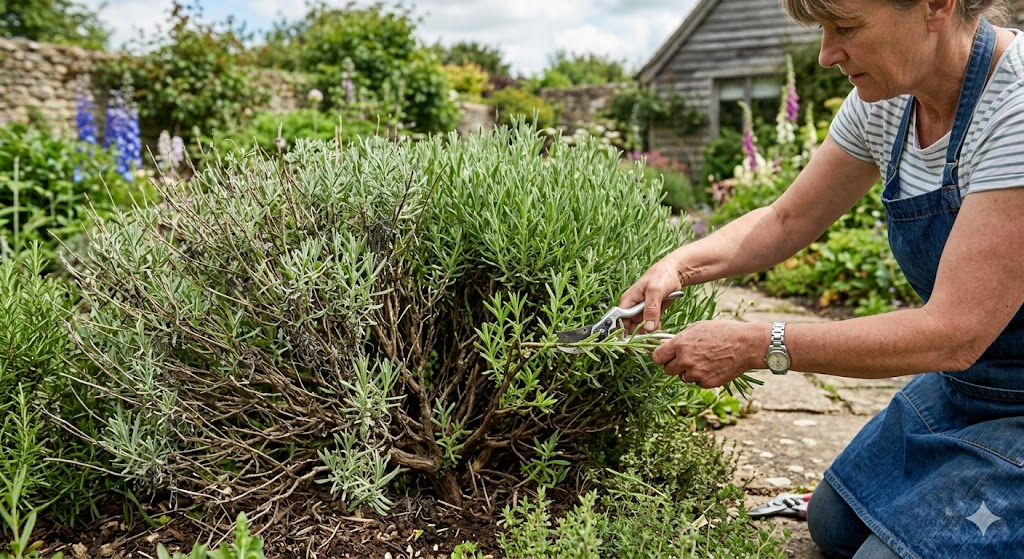
If you never prune your lavender, it will become woody and tired. Lavender only flowers on new green growth. If your plant is a big ball of old, gray wood, it won’t have the “real estate” to grow new stems.
The best pruning time for lavender flowers is early spring or right after the first bloom in late summer. Use the best tools for fixing lavender not blooming, which are simply a sharp, clean pair of bypass pruners. Cut back about one-third of the plant, but never cut into the old, leafless wood, or the plant might not recover.
5. Choosing the Right Fertilizer
While lavender doesn’t need much food, the wrong kind of food can hurt it. Avoid high-nitrogen fertilizers (the kind used for grass). Instead, look for the best organic solutions for lavender blooms, such as a light dusting of bone meal or a very small amount of potash in the spring. This encourages root and flower health rather than just leaf growth.
Lavender Maintenance Checklist
| Issue | Solution |
| Too much shade | Move to a spot with 6+ hours of sun. |
| Heavy clay soil | Add sand or grit for better drainage. |
| Too much Nitrogen | Stop fertilizing; use bone meal instead. |
| Woody plant | Prune regularly to encourage new growth. |
| Soggy roots | Let the soil dry out completely. |
6. Climate and Variety Matters
Sometimes, the issue is simply that the variety of lavender you bought isn’t happy in your weather. The best lavender varieties for consistent flowering include ‘Munstead’ or ‘Hidcote’ for colder areas, or ‘Phenomenal’ for humid climates. If you live in a very humid place, the lavender plant growth problems you see are often caused by a lack of airflow.
7. Helpful Neighbors
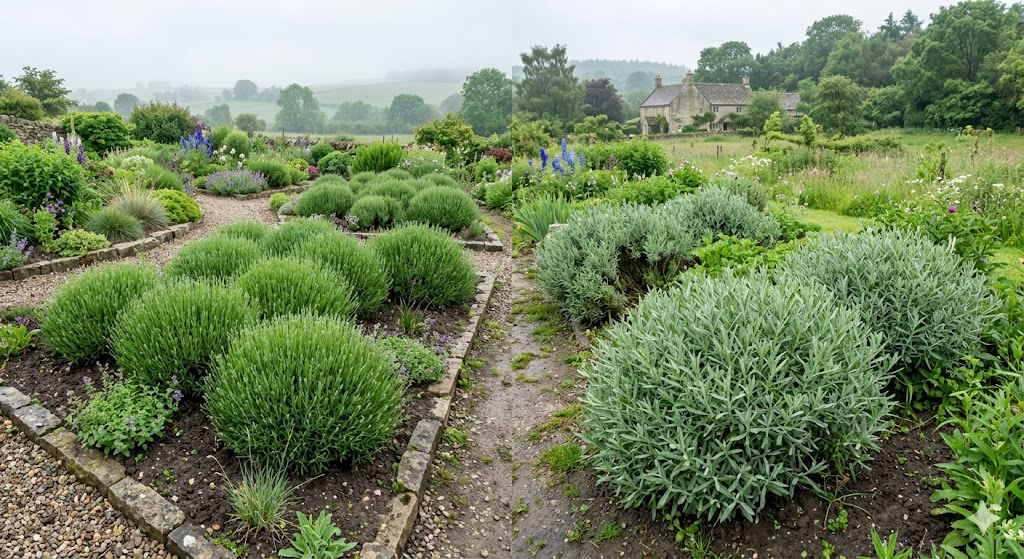
Using best companion plants for lavender flowering can help regulate the environment. Planting lavender near rosemary or sage works well because they all enjoy the same dry, sunny conditions. Avoid planting it near “hungry” plants like roses that require lots of water and heavy feeding, as the extra moisture will hurt the lavender.
Summary: Key Takeaways
- Sun is King: Ensure 6–8 hours of direct light.
- Drainage is Key: Use sandy soil and don’t overwater.
- Prune Yearly: Cut back the green stems to prevent the plant from becoming too woody.
- Check Variety: Make sure your specific lavender type matches your local climate.