Quick Answer:
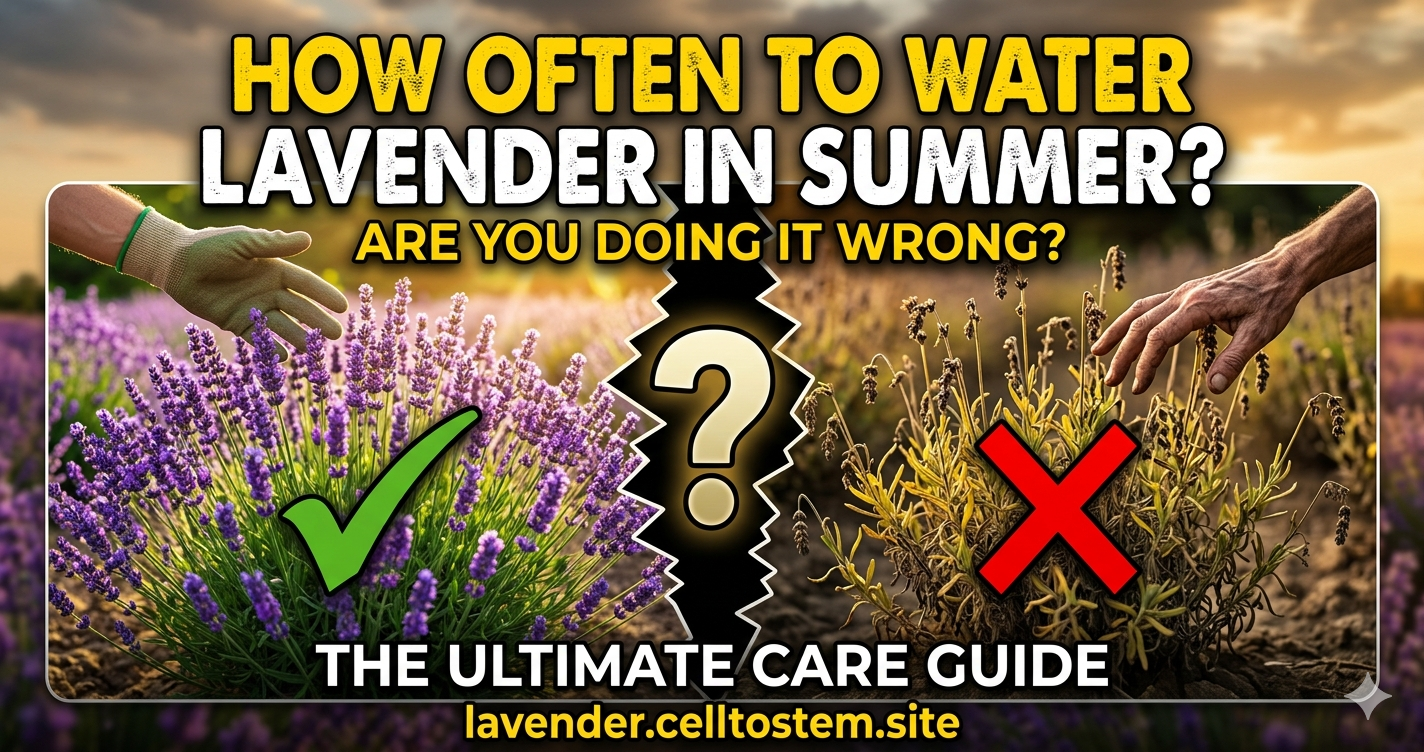
In the peak of summer, established lavender in the ground typically needs watering every 2 to 3 weeks. If your lavender is in a pot, you should water it once or twice a week, or whenever the top 2 inches of soil feel completely dry. Always water deeply at the base of the plant in the early morning to prevent root rot and heat stress.
Mastering Summer Lavender Hydration
Lavender is a garden favorite for its scent and beautiful purple spikes. However, many gardeners struggle with its water needs when temperatures soar. Because it is a Mediterranean plant, it handles heat well but hates “wet feet.” Getting the balance right is the secret to a thriving, fragrant plant.
To keep your garden healthy, you must understand lavender hydration needs. Unlike thirsty roses or hydrangeas, lavender thrives on neglect. In the summer, the goal is to mimic its natural dry environment while ensuring it doesn’t suffer from lavender water stress.
The Best Watering Schedule for Lavender in Summer
The best watering schedule for lavender in summer depends on the age of your plant.
- New Plants: If you just planted your lavender this spring, it needs more attention. Water it once or twice a week to help the roots settle.
- Established Plants: Mature plants are very drought-tolerant. In most climates, a deep soak every 14 to 21 days is plenty.
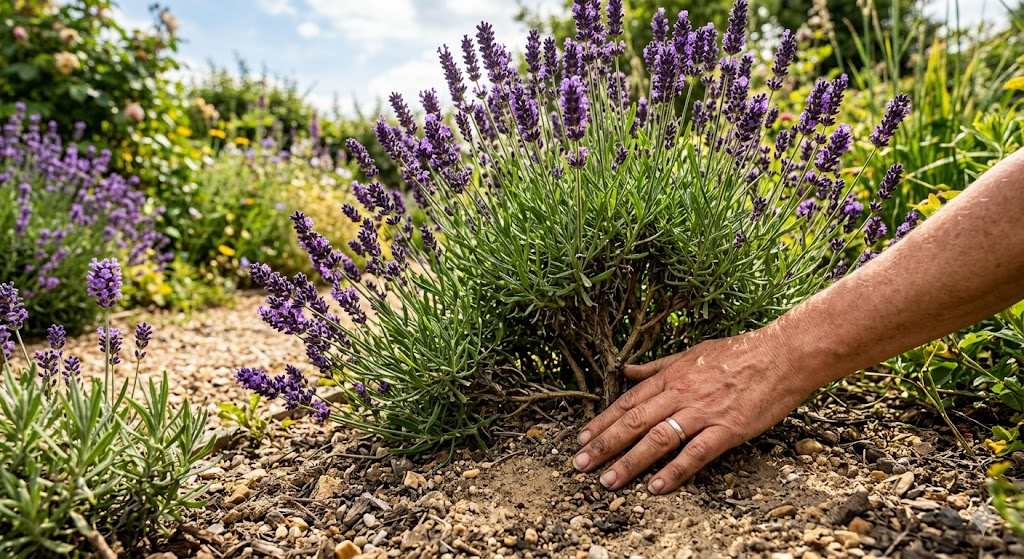
If you live in a region with extreme heat and no rain, you might bump this up to once a week, but always check the soil first. Use your finger to feel the dirt. If it’s still damp 2 inches down, walk away. Overwatering is the fastest way to kill this herb.
Best Way to Water Lavender in Summer
The best way to water lavender in summer is to go low and slow. Never use an overhead sprinkler. Wet leaves can lead to fungal diseases, especially when the humidity is high. Instead, aim your hose or watering can directly at the soil.
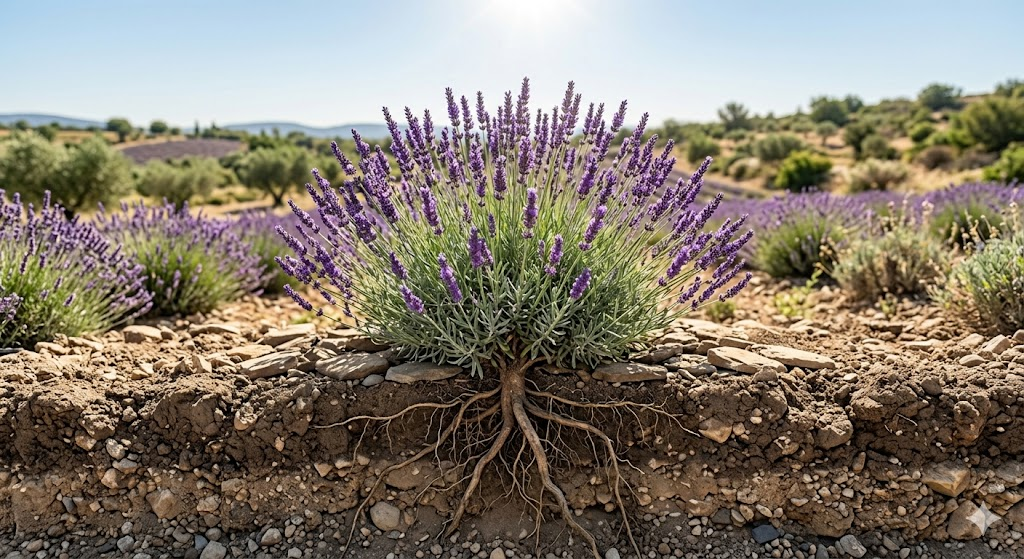
This method ensures lavender irrigation summer success by delivering moisture straight to the roots where it’s needed. A deep soak encourages the “taproot” to grow deeper into the earth, making the plant even more resilient to future heatwaves.
Timing Matters: Best Time to Water Lavender in Summer
The best time to water lavender in summer is early in the morning. This allows any accidental splashes on the foliage to dry up before the sun gets too hot. Watering at night is a mistake because the damp soil stays cold and wet for too long, which invites lavender root rot prevention issues.
By watering early, the plant has a full tank of hydration to face the midday sun, reducing the risk of lavender summer dormancy—a state where the plant stops growing to protect itself from extreme heat.
Potted Lavender: A Different Set of Rules
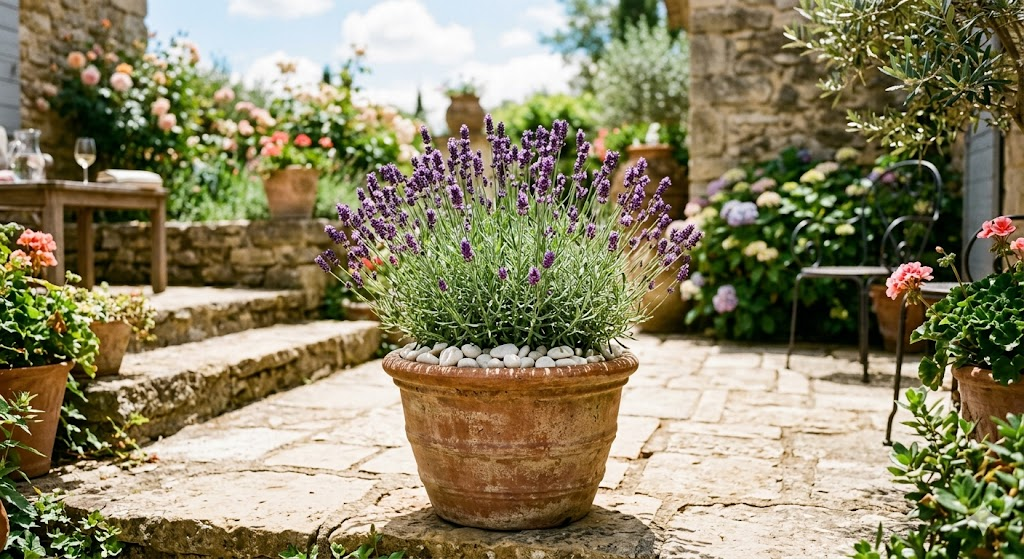
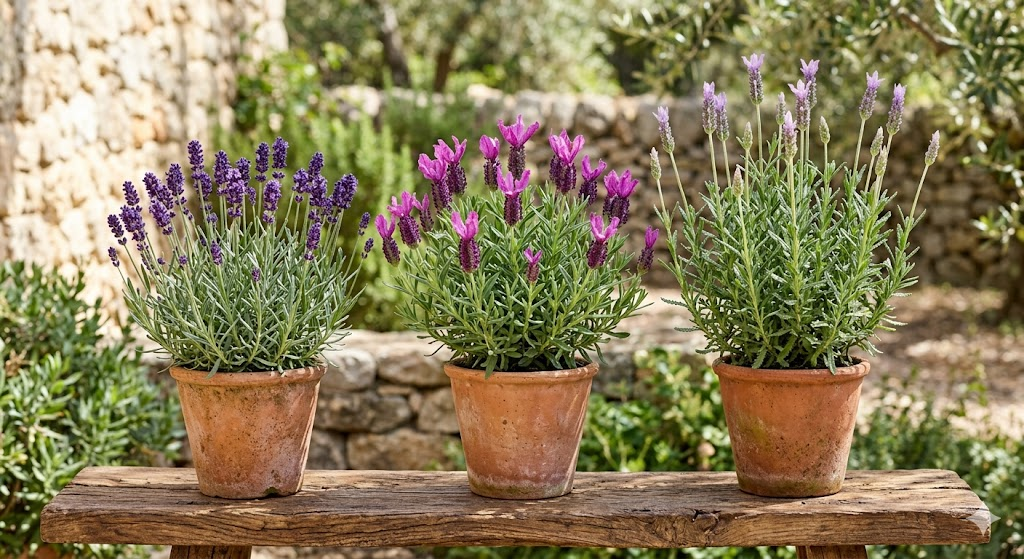
If you are growing your herbs in containers, the rules change. The best pot for lavender summer watering is one made of terracotta or clay. These materials “breathe,” allowing excess moisture to evaporate through the walls of the pot.
Because pots dry out much faster than the ground, your lavender watering frequency will be higher. During a heatwave, a potted lavender might need water every 2 or 3 days. Always ensure your pot has large drainage holes at the bottom. If the pot sits in a saucer of water, empty it immediately to avoid “wet feet.”
Soil and Mulch: The Support System
The best soil for lavender summer watering is sandy, gritty, and lean. If your soil is heavy clay, the water will sit around the roots and cause rot. You can fix this by mixing in horticultural grit or small pebbles.
When it comes to mulch, skip the wood chips. The best mulch for lavender summer is actually white pebbles or light-colored gravel. Wood mulch holds too much moisture and can rot the stem of the plant. Pebbles reflect heat up into the plant and keep the crown dry, which lavender loves.
Feeding and Variety Choice
You might be tempted to fertilize when you water, but be careful. The best fertilizer for lavender summer is actually very little or none at all. Too much nitrogen creates lots of green leaves but very few flowers. A small handful of organic compost in early spring is usually all they need.
If you live in a place with punishingly hot summers, choosing the right species is key. The best lavender varieties for hot summers include:
- French Lavender (Lavandula dentata): Very heat tolerant.
- Spanish Lavender (Lavandula stoechas): Loves the sun and has “bunny ear” petals.
- Phenomenal Lavender: A hybrid built specifically to handle both heat and humidity.
These varieties have a higher lavender drought tolerance than the classic English types, making them much easier to manage in July and August.
Essential Lavender Summer Care Tips
To keep your plants looking professional, follow these quick lavender summer care tips:
- Prune after blooming: Once the first flush of flowers fades, trim the plant back by about a third. This keeps it from getting “leggy.”
- Watch the color: If the leaves turn yellow, you are likely overwatering. If they turn gray and brittle, it needs a drink.
- Airflow is king: Don’t crowd your plants. Lavender needs a breeze to stay dry and healthy.
By following these steps, you satisfy the plant’s needs while staying ahead of common garden problems. Remember, when in doubt, don’t water. Lavender is much better at surviving a dry spell than a flood.
Final Takeaway on Summer Watering
Managing your lavender doesn’t have to be a chore. By focusing on deep, infrequent watering and ensuring your soil drains quickly, you create a Mediterranean paradise in your own backyard. Keep an eye on the weather, feel the soil, and enjoy the calming scent of your thriving lavender all summer long.