
Quick Answer: To grow lavender successfully, you must prioritize “feet and sun.” Plant it in a spot that gets at least 6 to 8 hours of direct sunlight and ensure the soil is gritty and fast-draining. Avoid heavy clay and overwatering, which are the two biggest lavender killers. Pruning twice a year—once in spring and once after flowering—keeps the plant from becoming woody and ensures a sea of purple blooms every summer.
How to Grow Lavender: A Simple Guide to a Fragrant Garden
There is nothing quite like the scent of lavender drifting through a garden on a warm breeze. It is a plant that feels like a luxury, yet it is surprisingly tough if you understand its simple needs. I remember the first time I tried growing lavender; I treated it like my roses, giving it rich soil and plenty of water. It died within a month.
That was my first lesson: lavender doesn’t want to be pampered. It wants to be ignored just a little bit. In this guide, I will share the “tough love” secrets I’ve learned over the years so you can grow healthy, fragrant lavender that returns year after year.
Choosing the Right Lavender for You
Before you dig a hole, you need to pick the right “personality” for your space. Not all lavender is the same. Some love the heat, while others can survive a snowy winter.
- Best lavender for beginners: Lavandula angustifolia (English Lavender) like ‘Munstead’ or ‘Hidcote’ is the gold standard. They are hardy and very forgiving.
- Best lavender for cold climates: Look for ‘Phenomenal’ or ‘Sensational.’ These hybrids are bred to survive harsh winters without dying back.
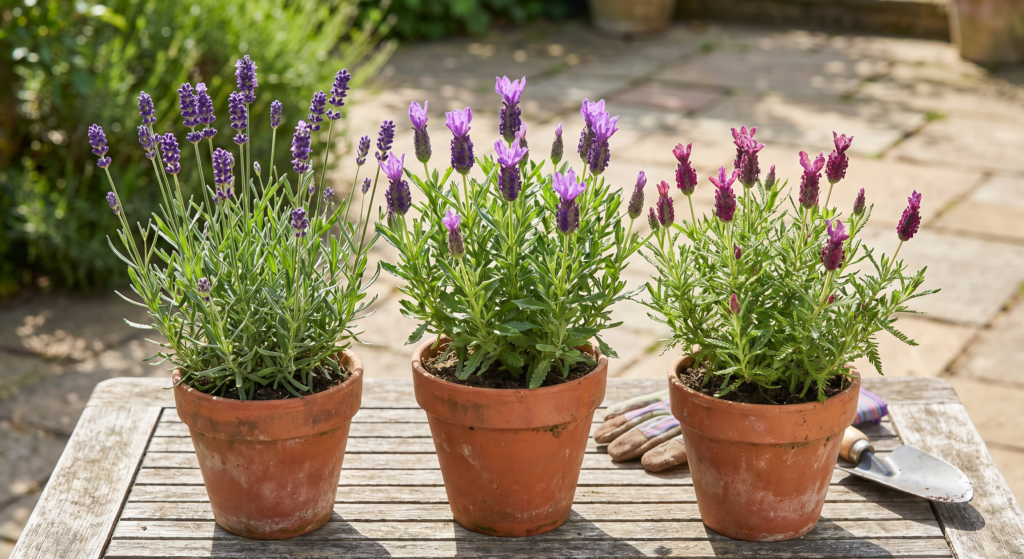
- Best lavender for hot climates: Spanish and French lavenders (Lavandula stoechas) thrive in the heat and can handle humidity better than English types.
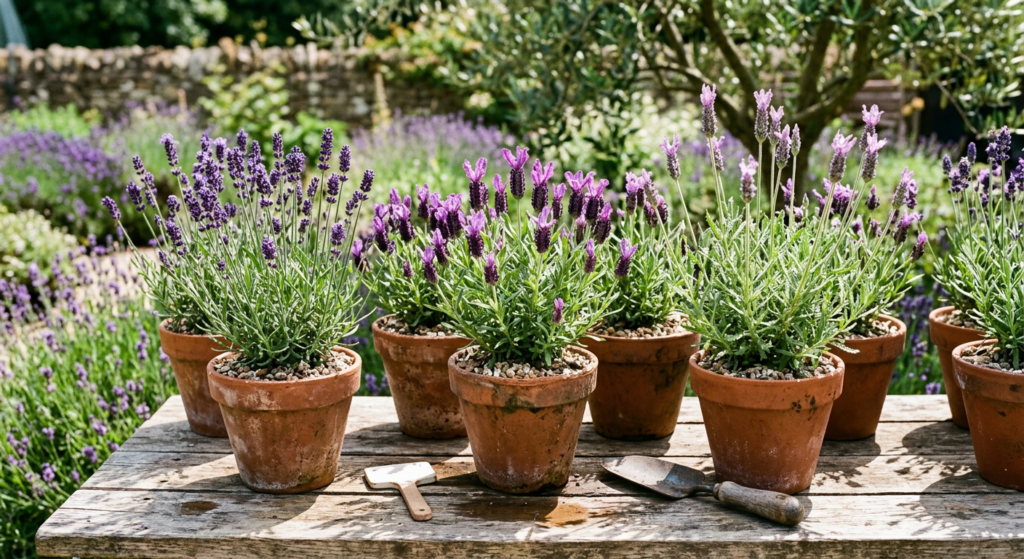
- Best lavender for containers: Compact varieties like ‘Thumbelina Leigh’ or ‘Little Lottie’ won’t outgrow their pots.
- Best lavender for drying and essential oil: ‘Grosso’ is a favorite for its high oil content and long stems.
- Best lavender for culinary use: English lavenders are the best choice here because they have a sweet, floral flavor without the “soapy” aftertaste of other varieties.
Getting the Ground Ready: Sun and Soil
Lavender is a Mediterranean native. It loves the sun and hates “wet feet.” If you get these two things right, the rest of the lavender plant care is easy.
Lavender sun requirements are non-negotiable. Your plant needs at least 6 to 8 hours of direct, blazing sun. If you try to grow it in the shade, it will become “leggy,” stretching out for light and producing very few flowers. If you are looking for the best lavender for shade, the truth is that no lavender truly thrives there, but French lavender is slightly more tolerant of dappled light than others.
Lavender soil pH should be slightly alkaline (between 6.5 and 7.5). If your soil is too acidic, add a little lime. The most important factor, however, is drainage. If you have heavy clay soil, your lavender will likely rot. I always recommend planting in raised beds or mounds to keep the roots high and dry. Mixing in some pea gravel or coarse sand helps the water move away from the roots quickly.
Planting Your Lavender
When growing lavender outdoors, timing is everything. Plant in the spring once the soil has warmed up and the risk of frost has passed.
- Space them out: Lavender needs “elbow room.” Good air circulation prevents fungal diseases. Space plants about 2 to 3 feet apart.
- Plant high: I like to leave the top of the root ball slightly above the soil surface. This prevents water from pooling around the “crown” (the base of the stems).
- Watering: Water your new plant every few days for the first few weeks. Once the roots are established, you can back off significantly.
Maintenance: The Secret to Long-Lasting Plants
Once your lavender is in the ground, it doesn’t need much. In fact, one of the biggest mistakes is using too much lavender fertilizer. Lavender actually prefers “lean” soil. If you give it too much food, you’ll get lots of leaves but very few of those iconic purple spikes. A thin layer of compost in the spring is usually all it needs.
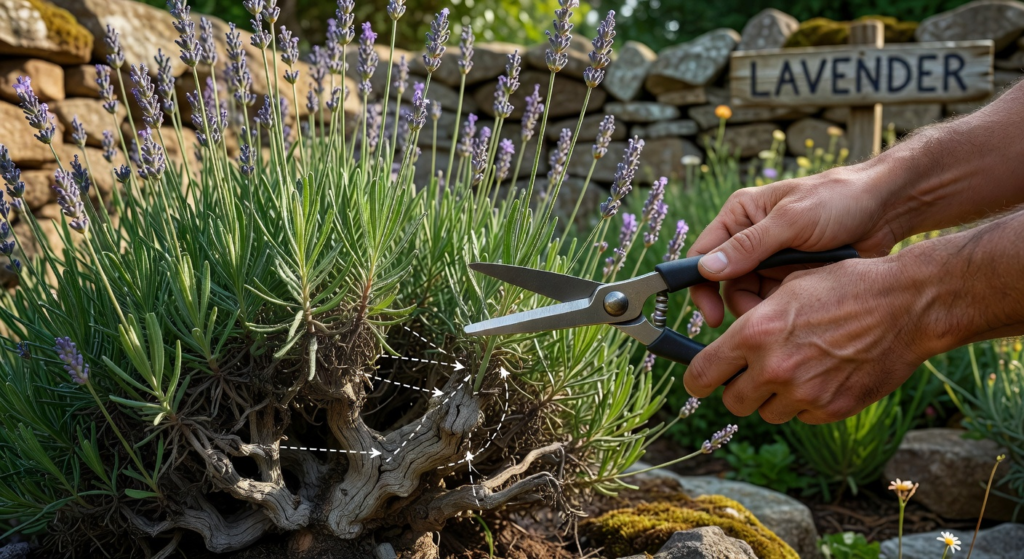
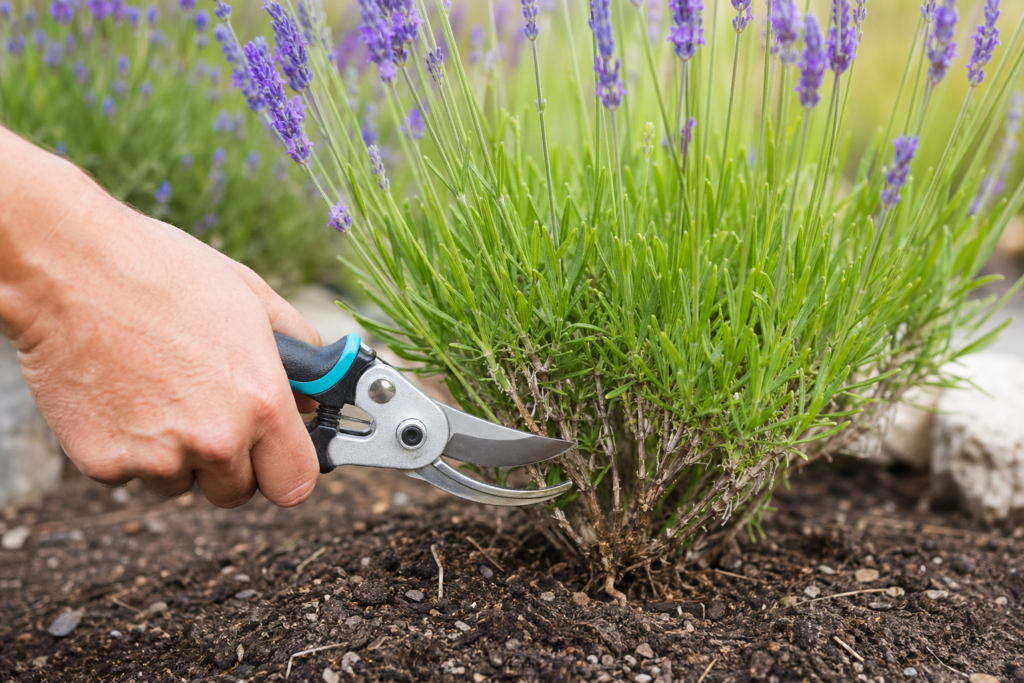
Lavender pruning tips: This is the part that scares most people, but it’s the secret to a beautiful plant. If you don’t prune, your lavender will become woody and split open in the middle.
- Spring: Lightly trim the green growth to shape the plant.
- Late Summer: After the flowers fade, cut the stems back by about one-third. Just make sure you don’t cut into the “old wood” (the brown, leafless parts), as it may not grow back.
Winter Care and Protection
As the weather cools, you need to think about lavender winter care. If you live in a very cold area, a layer of evergreen boughs can protect the plants from freezing winds. Avoid using heavy organic mulch like wood chips, as this holds too much moisture against the stems and can cause rot during the winter months.
Why Grow Lavender?
Beyond the beauty, lavender is a powerhouse in the garden. It is one of the best plants for attracting bees and butterflies. Because of its strong scent, it also acts as a natural deterrent for pests like mosquitoes and even deer.
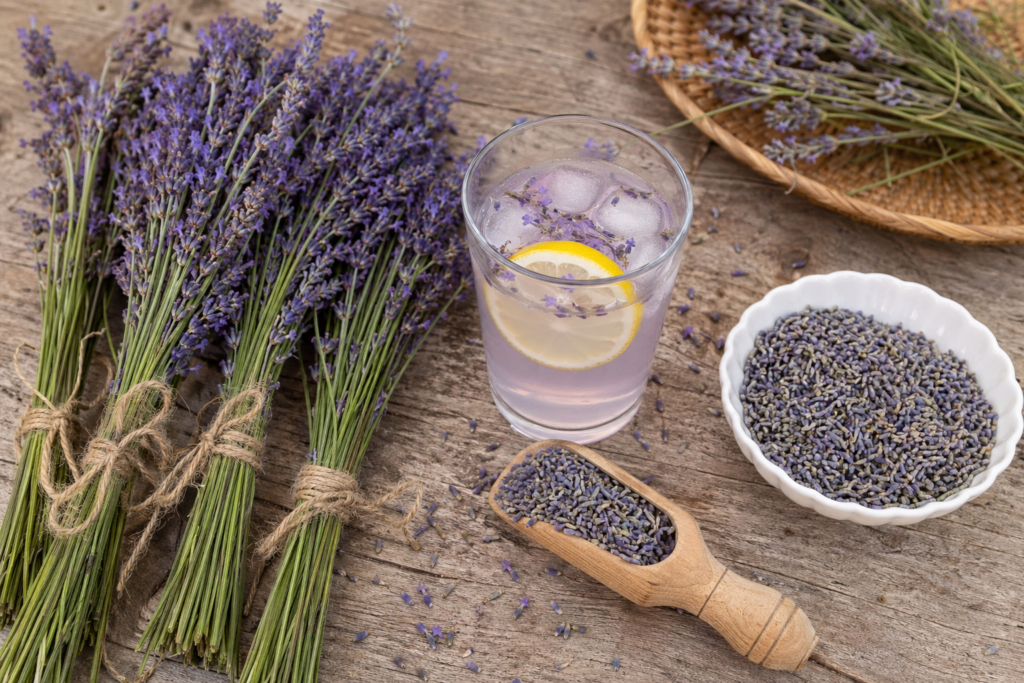
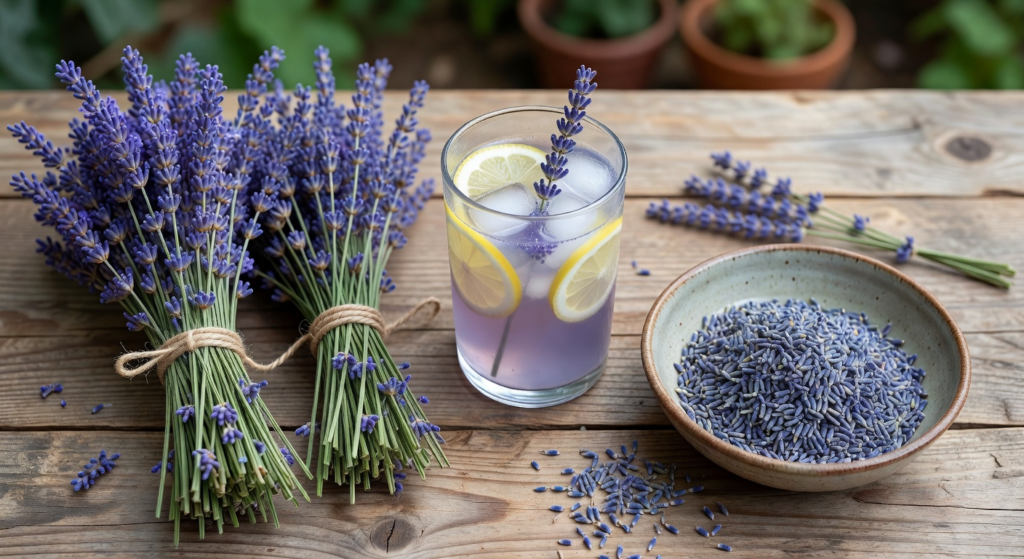
Whether you are looking to harvest your own bunches for drying, making your own essential oil, or just wanting a low-maintenance plant that handles a drought like a pro, lavender is the answer. It asks for very little—just a bit of sun, a dry spot to stand, and a quick haircut once a year.
Common Questions
Can I grow lavender in a pot?
Yes! As mentioned, the best lavender for containers are the dwarf varieties. Just make sure the pot has plenty of drainage holes.
Why is my lavender turning gray or wilting?
This is usually a sign of overwatering. Check the soil; if it feels soggy, stop watering immediately and let it dry out completely.
Is it hard to grow from seed?
It can be. Lavender seeds take a long time to germinate (sometimes over a month). Most home gardeners find it much easier to start with a small plant from a nursery.