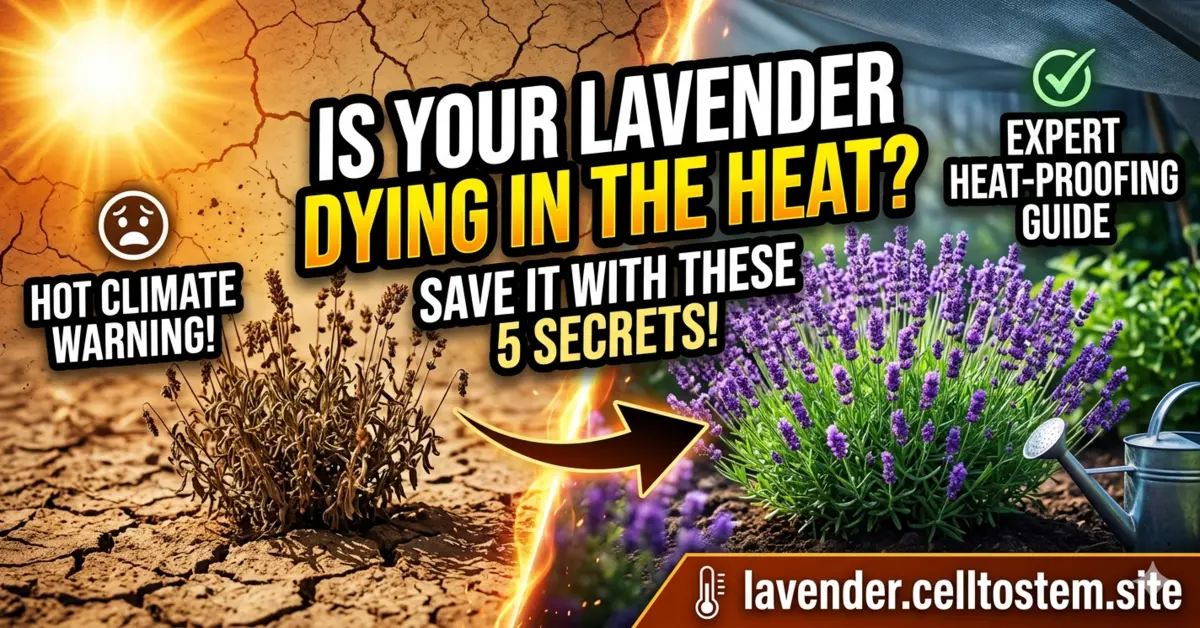
Quick Answer: To successfully grow lavender in hot climates, prioritize drainage and air circulation over frequent watering. Choose heat-tolerant varieties like Lavandula dentata (French) or Lavandula x intermedia (Phenomenal) that can handle intense UV and high humidity. Plant in raised beds with sandy soil, provide afternoon shade in desert regions, and never mulch with wood—use gravel or crushed stone to reflect light and prevent root rot.
The Scent of Survival: My Journey with Heat-Tolerant Lavender
I still remember the smell of my first lavender failure. It wasn’t the sweet, calming aroma of a Provencal field; it was the damp, earthy scent of “root rot” in a humid Georgia July. Like many gardeners, I assumed that because lavender loves the sun, it would thrive in any heat I threw at it. I was wrong.
Growing lavender in a hot climate—whether you are dealing with the bone-dry intensity of a best lavender for desert climate search or the “sauna-like” air of the Gulf Coast—requires a mindset shift. You aren’t just gardening; you’re managing a delicate balance of respiration and evaporation. After a decade of trial, error, and some very crispy plants, I’ve learned that lavender doesn’t die from the heat itself; it dies from the stress we put on it during the heat.
Understanding the “Why” Behind Lavender Heat Stress
Lavender is naturally a Mediterranean plant. It evolved to handle rocky, poor soil and intense sun. However, “heat” isn’t a one-size-fits-all term. Lavender heat stress looks different in Arizona than it does in Florida.
In dry heat, lavender wilting in heat is often a defense mechanism to reduce surface area and save water. In humid heat, the plant stops “breathing” because the air is too saturated for transpiration. This leads to fungal infections that can kill a mature bush in forty-eight hours.
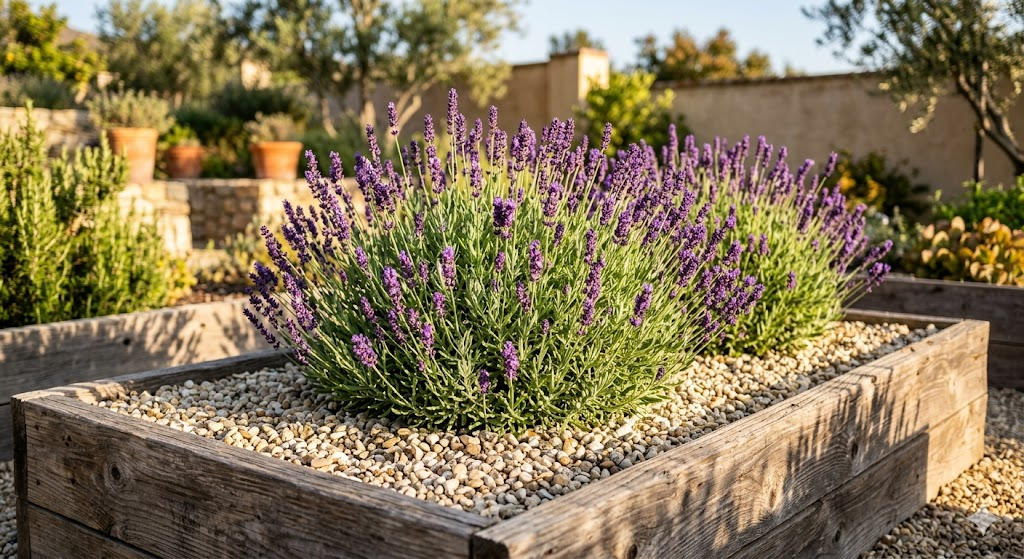
Choosing Your Champion: The Best Lavender for Hot Climates
The most common mistake I see beginners make is buying “English Lavender” (Lavandula angustifolia) at a big-box store in July. While beautiful, English varieties often struggle when night temperatures stay above 70°F (21°C).
Best Lavender for Hot, Dry Climates
If you are looking for the best lavender for California heat or similar Mediterranean climates, you have the most options.
- Spanish Lavender (Lavandula stoechas): These are the ones with the “rabbit ear” bracts. They adore the sun and are incredibly drought-resistant lavender.
- Goodwin Creek Grey: A personal favorite of mine. Its silver foliage reflects intense UV rays, preventing the leaves from “cooking” in the mid-day sun.
Best Lavender for Hot, Humid Climates
For those searching for the best lavender for Florida heat or the humid South, your enemy is fungus.
- Phenomenal (Lavandula x intermedia): This variety lived up to its name in my garden. It has a unique resistance to the root rot and foliar diseases that plague other varieties in high humidity.
- Sensational: A newer cousin to Phenomenal with thicker stems and larger blooms that stand up to heavy summer rains without flopping.
Best Lavender for Texas Heat
Texas is a beast of its own, often swinging from extreme drought to sudden deluges. The best lavender for Texas heat is often French Lavender (Lavandula dentata). It’s tougher than the English types and can handle the alkaline soil found in many parts of the Hill Country.
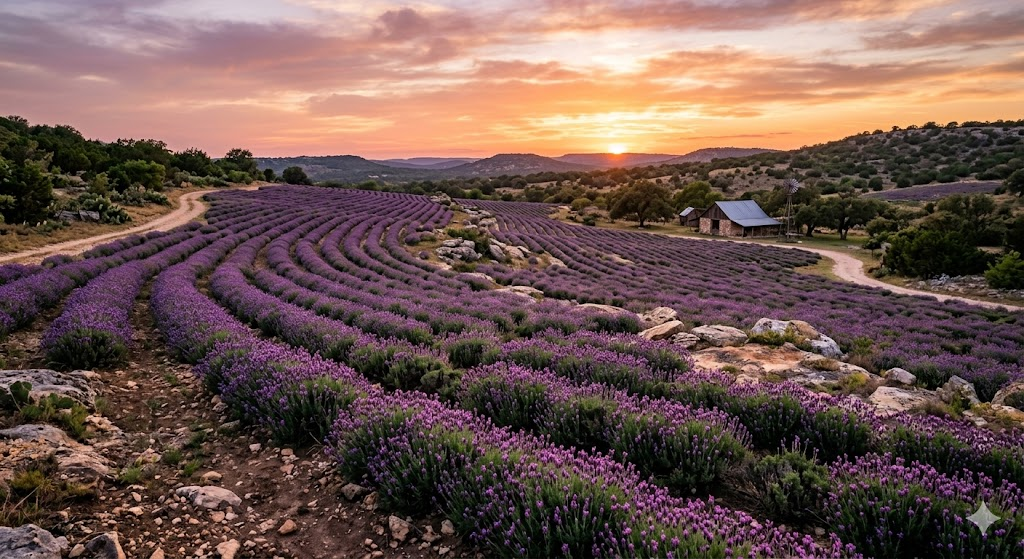
The Foundation: Soil and Sun Requirements
If you get the soil right, 80% of your work is done. Lavender hates “wet feet.” In a hot climate, wet soil becomes hot soil, which literally cooks the roots.
1. The Drainage Revolution
When I first started, I amended my clay soil with compost. Big mistake. Compost holds moisture. For lavender care in hot climate zones, you want “lean” soil. I now use a mix of:
- 60% native soil
- 30% coarse sand or fine gravel
- 10% perlite
2. Lavender Sun Requirements
While the books say “full sun,” in a desert climate, “full sun” can be lethal. If you live in a place where temperatures regularly exceed 100°F, your lavender will appreciate afternoon shade. I’ve found that my plants in Tucson performed significantly better when they had a “break” from the sun after 2:00 PM.
Maintenance: Deadheading and Watering
Watering is where most people fail. You see a plant wilting, you give it water. With lavender, that’s often the worst thing you can do.
The Finger Test
Before watering, stick your finger two inches into the soil. If it feels even slightly damp, walk away. In the peak of summer, I water my established lavender once every 7–10 days, but I do a deep, long soak rather than a light sprinkle. This encourages roots to grow deep into the cooler earth.
Lavender Deadheading in Hot Climates
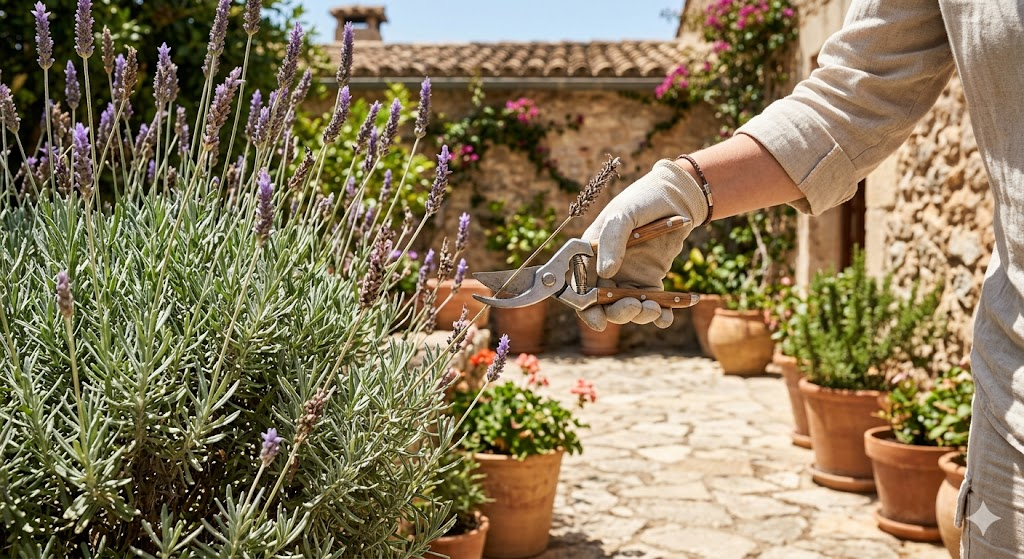
Lavender deadheading hot climate style is about more than just aesthetics. Removing spent blooms improves airflow through the center of the plant. In August, I go through and thin out some of the inner branches. It looks a bit sparse for a week, but it prevents the “death from the inside out” caused by trapped humidity.
Professional Troubleshooting: Lessons from the Field
One year, I lost an entire row of Munstead because I used wood mulch. Wood mulch retains moisture and promotes fungal spores. Since then, I have switched entirely to white pea gravel. The gravel reflects sunlight up into the plant, keeping the base dry and the foliage vibrant.
Lavender Propagation in Hot Weather
Many people will tell you to propagate in the spring. However, I’ve had great success with lavender propagation hot weather techniques by using semi-hardwood cuttings in late summer. The key is to keep the cuttings in a shaded, misty environment. They root faster in the heat if they don’t dry out. This is a great way to “clone” your most heat-hardy survivors for next year.
Best Lavender for Container Gardening in Hot Climates
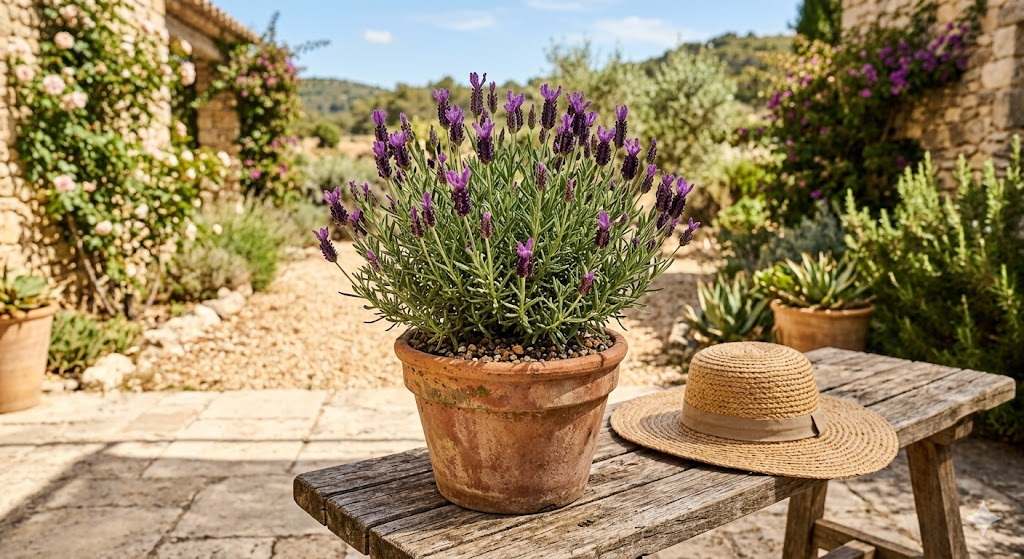
If you have limited space, best lavender for container gardening hot climate choices include the ‘Little Lottie’ or ‘Blue Star’.
- Use Terracotta: Avoid plastic pots. Terracotta “breathes” and allows excess moisture to evaporate through the walls.
- Pot-in-Pot Method: Place your lavender pot inside a larger decorative pot. The air gap between the two acts as insulation, preventing the sun from baking the roots through the side of the container.
Best Lavender for Beginners in Hot Climates
If you are just starting, go with ‘Provence’. It is a workhorse. It’s a hybrid (intermedia) that handles a wide range of conditions, produces beautiful lavender essential oil hot climate yields, and is much more forgiving of a “heavy hand” with the watering can than the more finicky English varieties.
The Human Touch: A Note on Patience
Gardening is a conversation with nature. Sometimes, despite your best efforts, a plant will die. I once lost a three-year-old ‘Grosso’ because of a freak tropical storm that sat over my garden for four days. It hurt, but it taught me that I needed to raise my beds even higher.
When your lavender thrives, the reward is unmatched. Walking past a heat-hardy bush in the middle of a 95-degree day and catching that sharp, clean scent is a reminder that resilience is beautiful.
Frequently Asked Questions (FAQs)
1. Why is my lavender turning gray and crispy?
This is usually a sign of lavender heat stress or extreme dehydration. Check the soil. If it’s bone dry, give it a deep soak at dawn. If the soil is wet, you likely have root rot, and the plant is unable to take up water.
2. Can I grow lavender in Florida?
Yes, but you must choose the right variety. Stick to Lavandula x intermedia like ‘Phenomenal’. Ensure the plant is in a raised spot and consider using a small fan if you have a greenhouse to keep air moving.
3. How do I harvest lavender for essential oil in hot weather?
Harvest in the early morning after the dew has dried but before the sun is at its peak. This is when the lavender essential oil hot climate concentration is highest in the flower heads.
4. Does lavender need fertilizer?
Rarely. Lavender prefers poor soil. A small handful of bone meal in the spring is usually plenty. Excess nitrogen will lead to lots of green leaves but very few flowers.
Research More on Lavender Care
To continue your journey and find specific tools or local nurseries, you can search for lavender supplies on Google. Using the right tools is the first step toward a thriving, fragrant garden.
Thank You For Visiting Our Website https://lavender.celltostem.site/. We Value Your Feedback!