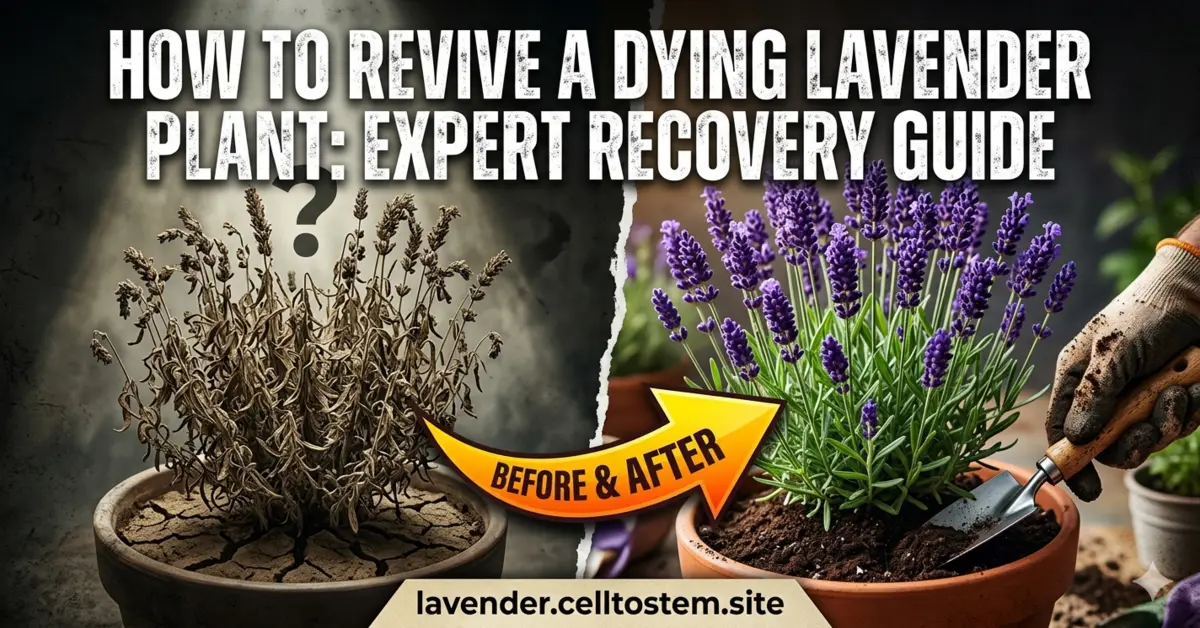
Quick Answer:
To revive a dying lavender plant, first identify the culprit: it’s usually root rot from overwatering or acidic soil. Immediately stop watering, check for mushy black roots, and prune them away. Replant in a gritty, well-draining sandy mix with a neutral-to-alkaline pH. Move the plant to a spot with 8+ hours of direct sun and ensure high airflow to mimic its native Mediterranean home.
The Day I Almost Killed My Favorite English Lavender
I remember standing over my garden bed three years ago, staring at a patch of grey, brittle ‘Munstead’ lavender. I had done everything the “internet experts” told me to do. I watered it when the surface felt dry. I tucked it into rich, black potting soil. I even gave it a little boost of fertilizer in the spring.
By mid-July, the stems were flopping over like wet noodles. The center of the bush was a graveyard of brown needles. I felt like a failure. How could such a “hardy” herb be so dramatic?
It took me digging that plant up and smelling the unmistakable “gym locker” scent of lavender plant root rot to realize my mistake. I was loving my lavender to death. These plants don’t want a spa day; they want a rocky, sun-scorched cliffside in France. Once I understood that, everything changed.
If your plant looks like it’s at death’s door, don’t toss it in the compost bin just yet. Whether you’re dealing with lavender plant overwatering symptoms or a case of “woody legs,” we can fix this.
Step 1: Diagnose the “Why” Before the “How”
Before you grab the watering can, you need to be a plant detective. Lavender (Lavandula) communicates its stress in specific ways.
Is it Overwatered or Underwatered?
This is where most beginners trip up. Lavender plant underwatering signs actually look quite similar to overwatering—drooping stems and crispy leaves.
- Overwatered (The #1 Killer): The stems feel soft or “mushy.” The lower leaves turn yellow first, then brown. The soil feels damp an inch below the surface.
- Underwatered: The leaves feel brittle and “crunchy” immediately. The soil has pulled away from the edges of the pot. (Note: This is rare unless the plant is in a tiny pot in 100°F heat).
The “Sniff Test” for Root Rot
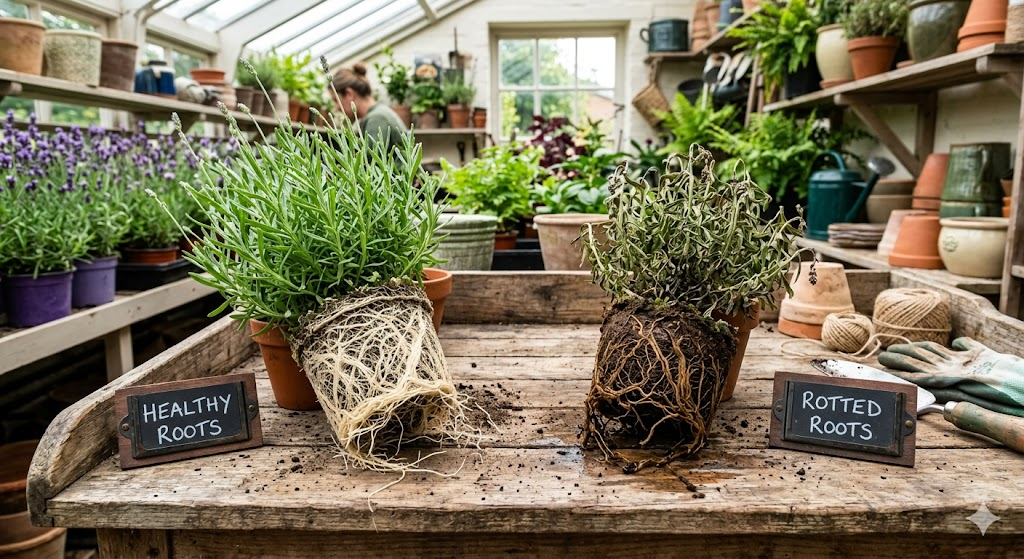
If your lavender is wilting despite the soil being wet, it has lavender plant root rot. Gently tip the plant out of its container. Healthy roots are white or tan and firm. Rotting roots are black, slimy, and smell like decay. If you see this, you need immediate lavender plant recovery surgery.
Step 2: The Emergency Rescue Operation
If you’ve confirmed root rot or extreme fungal stress, follow these lavender plant revival tips I used to save my prize-winning bushes:
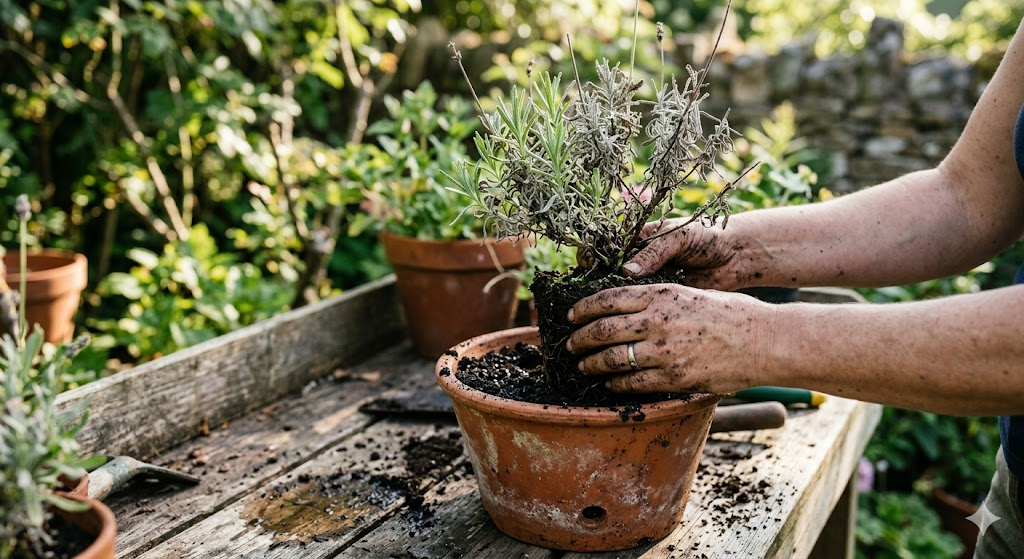
- Extract and Shake: Remove the plant from its current home. Shake off as much of the old, soggy soil as possible.
- Prune the Decay: Use sterilized shears to snip off any black or mushy roots. Also, prune back about 20% of the top growth. This reduces the “workload” for the remaining healthy roots.
- The Drying Period: This sounds radical, but let the bare root ball sit out in a shaded, breezy spot for 2–4 hours. Let those roots breathe!
- The Right Home: Replant in a pot with massive drainage holes. Use a mix of 50% potting soil and 50% coarse sand or perlite.
Step 3: Getting the Soil Chemistry Right
One of my biggest “lessons learned” was about pH levels. I used to think all plants loved the same organic compost. Wrong. Lavender hates “rich” soil. It wants “lean” soil.
If your soil is too acidic (below 6.5 pH), the lavender can’t “eat,” even if the nutrients are there. It literally starves to death. I now add a handful of garden lime or crushed eggshells to my lavender beds every spring to keep the soil slightly alkaline. This single tweak turned my yellowing plants back to a vibrant, silvery green within weeks.
Choosing the Right Variety for Your Situation
Sometimes, a plant dies simply because it’s the wrong “tool” for the job. If you’re starting over or adding to your collection, match the variety to your lifestyle.
For the Chef and the Crafter
If you want the best lavender plant for cooking, look for Lavandula angustifolia (English Lavender). It has low camphor levels, so it doesn’t taste like soap. For the best lavender plant for drying, ‘Grosso’ (a French hybrid) is the industry standard because it holds its buds and scent for years.
For the Climate Challenged
- Best lavender plant for hot climates: ‘Phenomenal’ or ‘Sensational.’ These were bred to handle the humidity of the American South without melting.
- Best lavender plant for cold climates: ‘Munstead’ or ‘Hidcote.’ These are tough as nails and can survive harsh winters if they aren’t sitting in wet “feet.”
For the Apartment Dweller
If you have a sunny balcony, the best lavender plant for pots is often a dwarf variety like ‘Thumbelina Leigh.’ If you’re trying the best lavender plant for indoor growing, stick with French Lavender (L. dentata). It’s more tolerant of the lower light levels and stable temperatures inside a home.
The Art of the “Rejuvenation Prune”
Many people think their lavender is dying when it’s actually just getting “leggy.” This is when the bottom of the plant becomes a thick, ugly wood, and the green growth only happens at the very tips.
Lavender plant pruning guide basics:
- Don’t cut into the old wood: If you see no green leaves on a branch, don’t cut back past the last bit of green. Lavender usually won’t grow back from “naked” wood.
- The 1/3 Rule: Every year, after the first bloom, prune back about one-third of the green growth. This forces the plant to stay bushy and prevents it from splitting open in the middle.
- Timing: Never prune heavily in late fall. The new growth won’t have time to “harden off” before the first frost, which can kill the whole bush.
Expert Troubleshooting: Beyond the Basics
As a long-time grower, I’ve noticed a few things the manuals don’t tell you.
The “Gravel Trick”
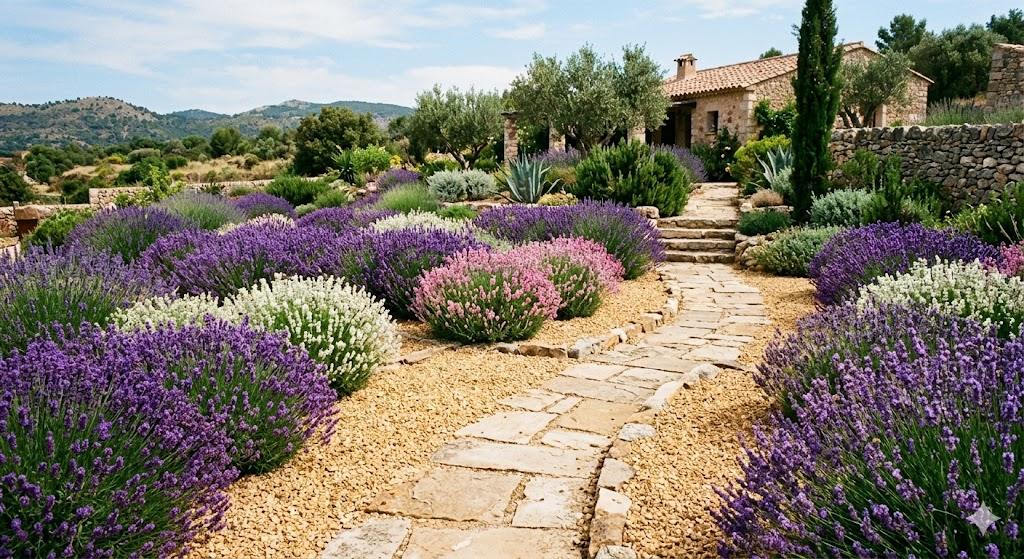
Mulch is usually great for gardens, but wood mulch is a death sentence for lavender. It holds moisture against the crown of the plant. Instead, use white gravel or crushed oyster shells. The stones reflect sunlight up into the bottom of the plant, keeping the foliage dry and preventing fungal diseases.
The Wind Factor
Lavender loves a “breezy” life. If you have several plants crowded together, they will develop grey mold (Botrytis). I once lost three plants because I tucked them behind a large rose bush where the air was stagnant. Space them out! They should never touch their neighbors.
For Beginners
If you are nervous, the best lavender plant for beginners is definitely ‘Phenomenal.’ It is incredibly forgiving of soil mistakes and humidity, which are the two things that usually kill lavender.
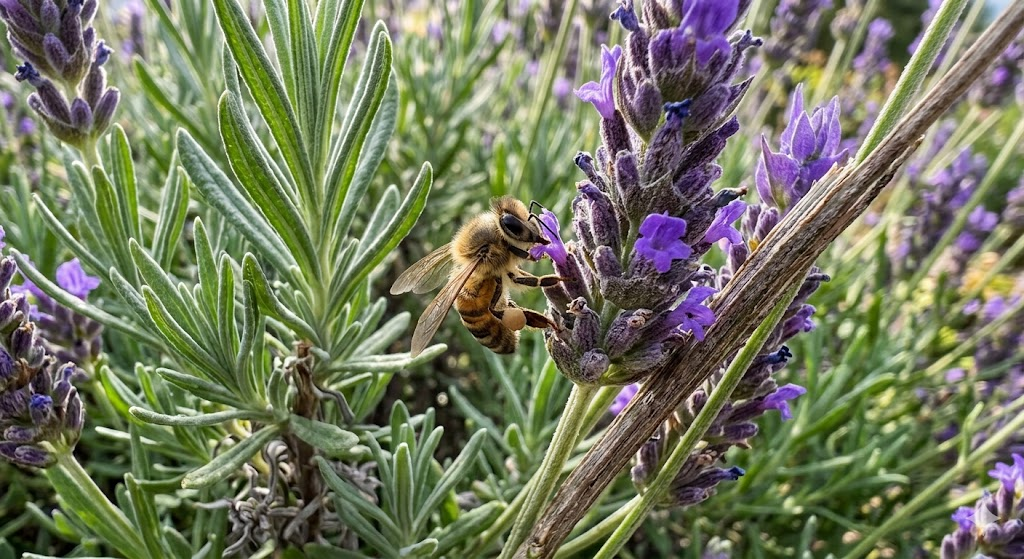
My “Success Story” Recovery
Last year, my neighbor gave me a “dead” lavender she had kept in a plastic pot for months. It was a ‘French Lace,’ known as the best lavender plant for fragrance. It was bone dry and looked like a bundle of twigs.
I didn’t give up. I soaked the root ball in a bucket of water for exactly 20 minutes (no longer!), then moved it into a terracotta pot with a massive amount of perlite. I cut the dead flower heads off and put it in the sunniest spot on my porch. For two weeks, nothing happened. Then, tiny green nubbins appeared on the stems. By the end of the summer, it was the most fragrant plant in my garden.
Saving a dying lavender bush is possible, but it requires patience and a “less is more” attitude.
Quick Reference: Best Varieties for Your Needs
| Goal | Best Variety | Why? |
|---|---|---|
| Indoor Growing | L. dentata | Tolerates indoor humidity levels. |
| Beginners | ‘Phenomenal’ | Resistant to root rot and heat. |
| Cooking | ‘Munstead’ | Sweet flavor, low camphor. |
| Cold Weather | ‘Hidcote’ | Survives down to Zone 5 easily. |
| Fragrance | ‘Grosso’ | High oil content for oils and sachets. |
Export to Sheets
Summary of Lavender Plant Care for Beginners
To keep your lavender thriving after you’ve revived it, remember these three “Golden Rules”:
- Sun: 8 to 10 hours minimum.
- Drainage: If the soil doesn’t feel like a sandy beach, add more grit.
- Neglect: Don’t water until the soil is completely dry.
Frequently Asked Questions (FAQs)
Can I save lavender that has turned completely brown?
If the stems are brittle and snap easily with no green inside, the plant is likely dead. However, if the stems are still flexible, there is hope! Follow the pruning and repotting steps above.
How often should I water a recovering lavender?
Only when the soil is dry to the touch about two inches down. During recovery, it’s better to underwater than to overwater.
Why is my lavender drooping after I repotted it?
This is transplant shock. Keep it out of direct, scorching afternoon sun for 3 days, then move it back to full sun. Do not fertilize it while it’s stressed.
What is the best fertilizer for lavender?
Actually, none! Lavender prefers poor soil. If you must, a tiny bit of bone meal in the spring is plenty. Avoid high-nitrogen fertilizers which lead to “floppy” growth and no scent.
Where can I find more information on plant varieties?
You can search for specific cultivars using the Google Search Bar to find local nurseries that carry climate-specific plants.
Final Thought:
Lavender is a plant of the sun and the wind. If you give it those two things and stop worrying so much about “feeding” it, it will reward you with years of fragrance and beauty. If you’re struggling, just remember my ‘Munstead’ disaster—we all start somewhere, and even a “dead” twig can surprise you with a second chance at life.
Thank You For Visiting Our Website https://lavender.celltostem.site/